SEATTLE MASTERFIX PRECISION CRAFTSMANSHIP
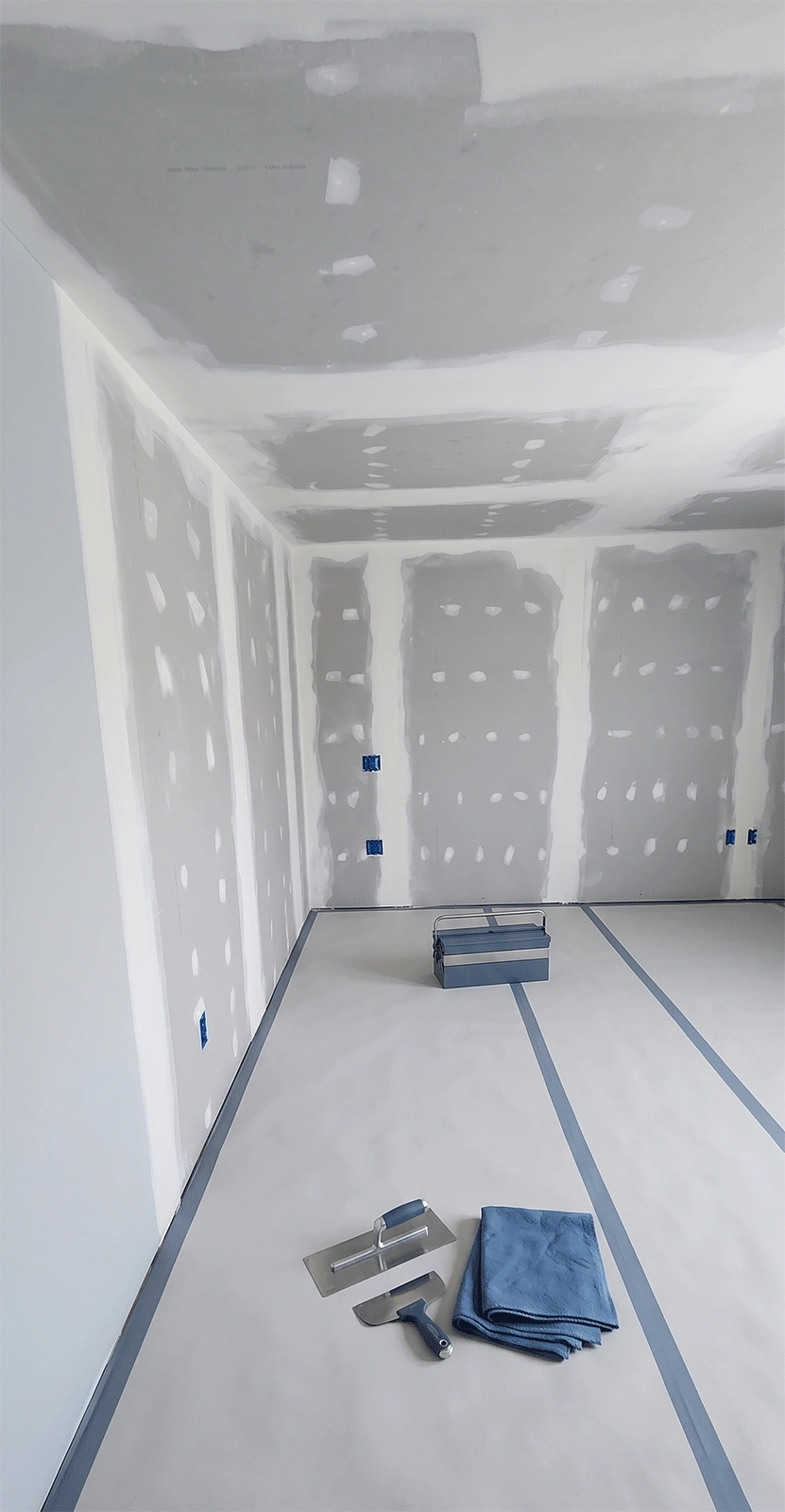
Great drywall work is invisible — that's the goal. Every seam disappears, every corner is crisp, and the wall reads as one smooth surface once painted. Here's our completed drywall work, along with what we think you should know before your project begins.
Before You Renovate
Screws (not nails) at correct spacing into solid framing prevent the fastener pops that show up months after paint. It's a small detail with a big long-term impact.
Quality drywall finishing is typically 3 coats of mud with proper dry time between each — rushing this is the most common cause of visible seams under paint.
Raking light from windows or fixtures shows every imperfection in a drywall finish. We check our work under actual room lighting, not just up close.
Patch work needs to match existing texture (orange peel, knockdown, smooth) exactly, or the repair will be visible forever. We sample and match before finishing.
Garages, bathrooms, and shared walls often require fire-rated or moisture-resistant board by code — we spec the right board type for each room, not just the cheapest one.
Sanding drywall mud creates significant dust. We use containment and proper ventilation so the rest of your space — and your lungs — stay clean during the job.
How We Work
Board is hung tight to framing with correct fastener spacing and orientation.
Seams and corners are taped and coated to begin building a flat, invisible surface.
Additional coats widen and feather the joints for a seamless transition.
Surfaces are sanded smooth and textured to match existing walls if needed.
We check every wall under raking light before handing off for paint.
Job Site Photography
Real photos from completed drywall job sites. Tap any photo to view it full-size.
Tell us about your space and timeline, and we'll walk you through exactly what a drywall project like yours involves.
Get a Scope Estimate