SEATTLE MASTERFIX PRECISION CRAFTSMANSHIP
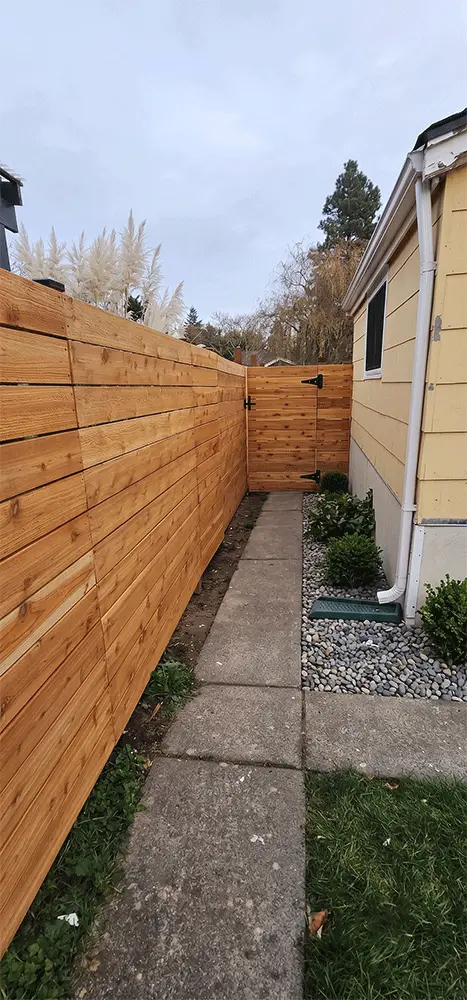
A fence has to do two jobs at once — hold up structurally against wind and ground movement, and look good doing it. Here's a look at our completed fencing work, along with what we think matters most before you start a fencing project.
Before You Renovate
We recommend confirming boundary lines (survey or existing markers) before any post goes in the ground — it's the single most common source of neighbor disputes.
A fence is only as strong as what's below grade. Proper post depth, concrete footings, and drainage prevent leaning and heaving through our wet winters.
Cedar and pressure-treated lumber behave differently at grade. We spec the right material for posts vs. panels so your fence doesn't rot from the bottom up.
Many Seattle neighborhoods have height and setback rules for fencing. We check this upfront so your project doesn't run into a stop-work issue.
Most fence complaints come from sagging gates, not panels. We use commercial-grade hinges and self-closing hardware sized for the gate's actual weight.
New wood needs to acclimate before staining or sealing. We'll tell you the right window so your finish actually bonds and lasts.
How We Work
We mark the fence line, gate locations, and confirm any boundary or utility concerns.
Posts are set to proper depth with concrete footings sized for our soil and weather conditions.
Rails and panels go up level and plumb, with consistent spacing across the full run.
Gates are hung, squared, and fitted with commercial-grade hardware for daily use.
Sanding, staining, or sealing as specified, plus a full walkthrough with the client.
Job Site Photography
Real photos from completed fencing job sites. Tap any photo to view it full-size.
Tell us about your space and timeline, and we'll walk you through exactly what a fencing project like yours involves.
Get a Scope Estimate